
Hi, I’m Ekam.
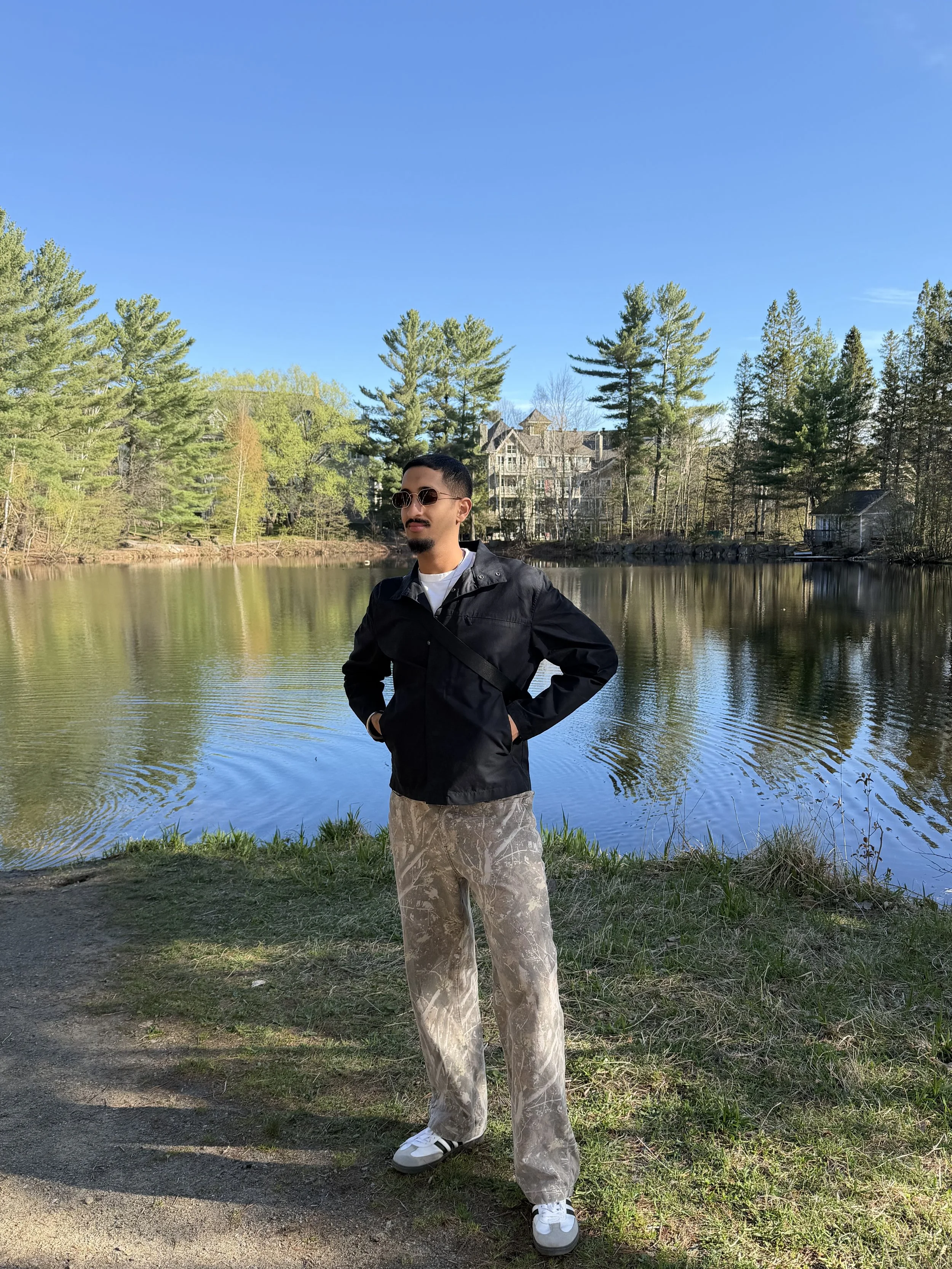
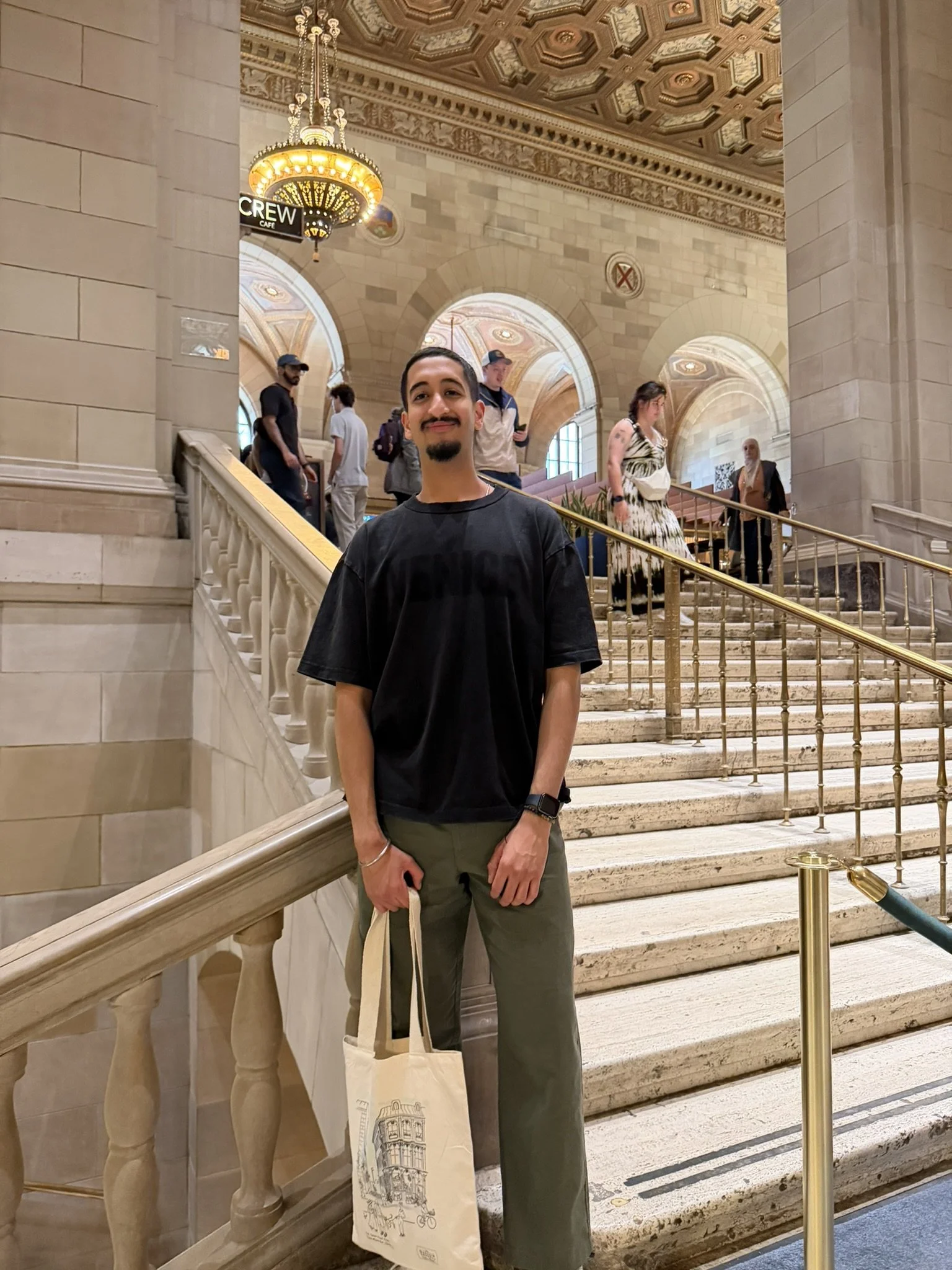
a little bit about me and my practice.
My practice began with the belief that queer people deserve the opportunity to heal the parts of themselves that once felt unsafe being fully seen and uncertain whether love could exist without conditions. Through this journey, I came to recognize that feelings of being unseen, conditionally accepted, othered, or made to feel like you don't belong are experiences shared across many communities, including those who are racialized, 2SLGBTQIA+, and neurodivergent.
As a gay, brown, and neurodivergent man, I understand how our identities and lived experiences shape the way we move through the world. For many racialized individuals, this can mean navigating cultural expectations, balancing multiple identities, experiencing racism or discrimination, feeling pressure to meet the expectations of family or community, or carrying the weight of being perceived as "different." There is often a delicate balance between navigating Western culture and maintaining a connection to your cultural identity. It can leave many people feeling like they don't fully belong in either world.
For many queer people, a similar experience exists. Whether you're White, Brown, Black, Asian, Indigenous, or from another background, there can be a constant tension between living authentically and navigating the expectations of family, culture, religion, or society. These experiences can profoundly shape our sense of belonging, self-worth, relationships, and mental health in ways that are often overlooked.
My practice is rooted in helping people understand how the stories we inherit from family, culture, and society shape the way we see ourselves. Together, we explore how systems such as racism, heteronormativity, ableism, and other societal expectations may have influenced your life while making space for a story that feels more authentic, self-defined, and grounded in your values. I believe our identities are an important part of who we are, but they do not define the entirety of our story.
While I have a particular passion for supporting racialized, 2SLGBTQIA+, and neurodivergent individuals, I welcome adults from all backgrounds. My hope is to create a space where you feel seen, understood, and supported as we explore your experiences, reconnect with your strengths, and work toward the life you want to build.
On a personal level, I value spending time outdoors, staying active, travelling, cooking, prioritizing self-care, and staying connected with friends and family.
Background
-
My clinical approach is grounded in narrative therapy, a collaborative modality that helps clients separate themselves from the challenges they are facing and recognize that they are not the problem. Together, we explore how experiences, relationships, culture, and broader social systems have shaped the stories people hold about themselves, while identifying alternative narratives that reflect resilience, values, and possibility. For many queer and racialized clients, this includes exploring the impact of homophobia, racism, minority stress, and experiences of not feeling fully accepted or understood.
Much of my work also centres around inner child work. I support clients in reconnecting with younger parts of themselves to better understand the beliefs, patterns, and ways of relating that were shaped early in life. Together, we explore how these experiences continue to influence self-worth, belonging, and connection, particularly within caregiving and romantic relationships.
Across this work, I integrate parts work, recognizing that we all have different sides of ourselves that emerge in different situations. There may be a part of you that seeks closeness and another that pulls away when things begin to feel vulnerable. Some parts may carry self-doubt, while others strive for perfection or protection. By approaching these experiences with curiosity and compassion, clients can develop a deeper understanding of themselves and move toward more authentic and connected ways of being.
I also draw on Dialectical Behaviour Therapy (DBT) to help clients develop practical skills for navigating intense emotions, managing distress, and staying grounded during difficult moments. These strategies can be particularly helpful for individuals experiencing emotional overwhelm, anxiety, ADHD, or challenges with emotional regulation.
-
I am a registered Social Worker with the Ontario College of Social Workers and Social Service Workers. My psychotherapy qualification comes from my Master of Social Work at the University of Toronto, where I gained extensive experience working with a range of mental health challenges that adults, children, and their families experience. My practicums strengthened my understanding of navigating mental health and social services as a racialized and queer individual, particularly within child welfare and community mental health settings, across both marginalized communities and contexts where homophobia is more normalized.
My educational background began at Wilfrid Laurier University, where I completed a BSc in Psychology and Neuroscience, with experience in research on intergroup behaviour and helping dynamics, as well as an honours thesis on narcissistic traits and contingent self-esteem linked to appearance, social approval, and academic achievement.
-
My additional experience includes working with neurodivergent children, adults, and older adults, as well as individuals experiencing trauma, anxiety, depression, autism, and more intense psychological disorders. I have also worked in crisis management with intersectional individuals navigating challenges related to queer identity, race, and complex mental health concerns. The areas of focus for my practice are 2SLGBTQIA+, BIPOC, neurodivergence, and the intersection of these identities as it relates to mental health.